
BY SAMANTHA KHOR — 04 NOV 2016
Ever wondered which part of China your ancestors came from?
Cover image via BBC
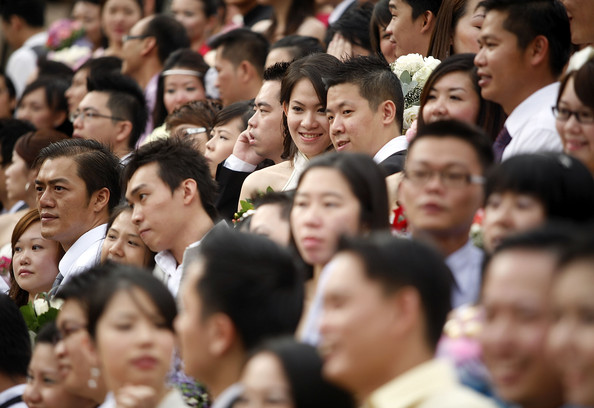
- For hundreds of years, millions of Malaysian Chinese have called Malaysia home since their ancestors sailed over and settled in this region way back in the 15th century
- Image viaGetty
- Malaysian Chinese, also known as Chinese Malaysians, refer to people of full or partial Chinese blood who were born in or immigrated to Malaysia. Most of them are descended from immigrants - likely of Han Chinese ancestry - who arrived between the mid-19th and early 20th century.
Today, Malaysian Chinese represent the second largest ethnic group in Malaysia at 6.65 million, making up 23.4% of Malaysia's population. They are also considered the second largest community of Overseas Chinese in the world after Thailand.
- First, a little bit of history. Chinese immigration into Malaysia can be classified into three major waves:
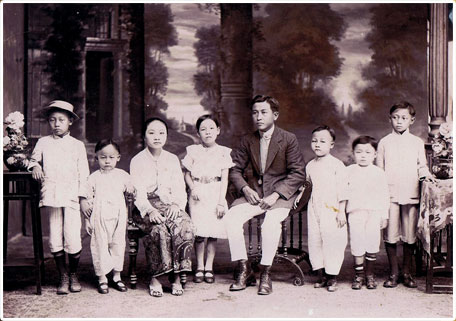
- (i) FIRST WAVE: More than 500 years ago, Chinese traders and young nobles from a royal entourage started settling in and around Melaka. Some married the locals, creating a new class of Straits-born Chinese.
- Image viaEast Indies Museum
- Tun Seri Lanang's 'Sejarah Melayu' recorded that in 1459 CE, Princess Hang Li Po of the Ming Dynasty was sent from China to marry the sultan of Melaka, Sultan Mansur Shah. The princess brought with her an entourage of 500 high-ranking young men and a few hundred handmaidens, all of whom eventually settled in Bukit Cina.
It is believed that some of them had married into the local populace, birthing a new community known as the Chinese Peranakan, sometimes simply referred to as Baba-Nyonya.
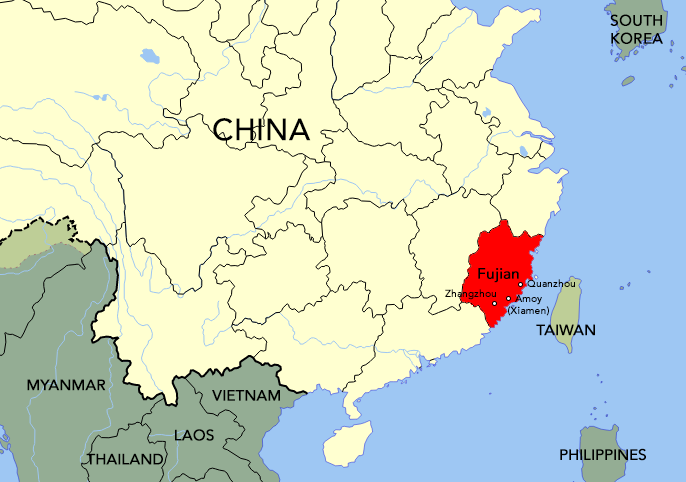
Historical accounts also suggest that Chinese traders, many of whom are Hokkien-speaking men from the Zhangzhou and Quanzhou regions in Fujian province, may have married local women and settled down in Melaka as well.
- (ii) SECOND WAVE: From early 19th century to the 1930s, thousands of Chinese immigrants came to British-ruled Malaya in search of a better life. Most Malaysian Chinese today are descended from this wave of immigrants.
- Image viaDevology Wordpress
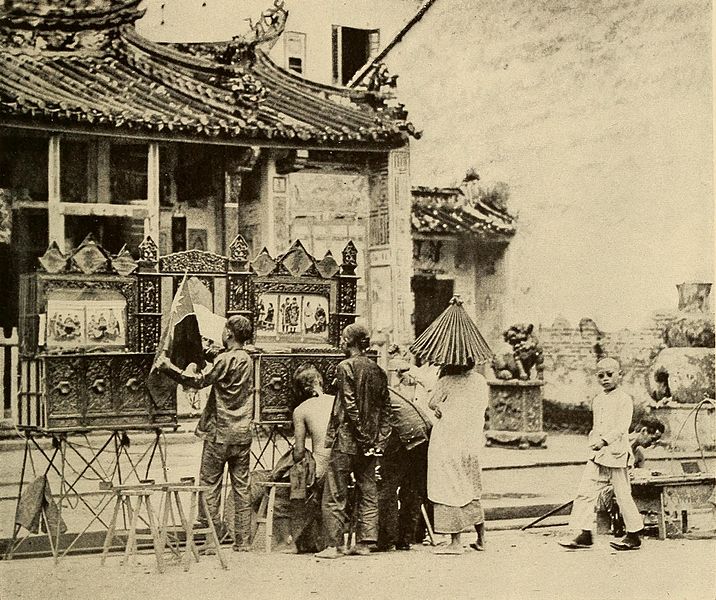
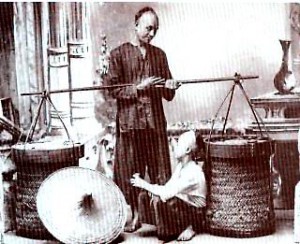
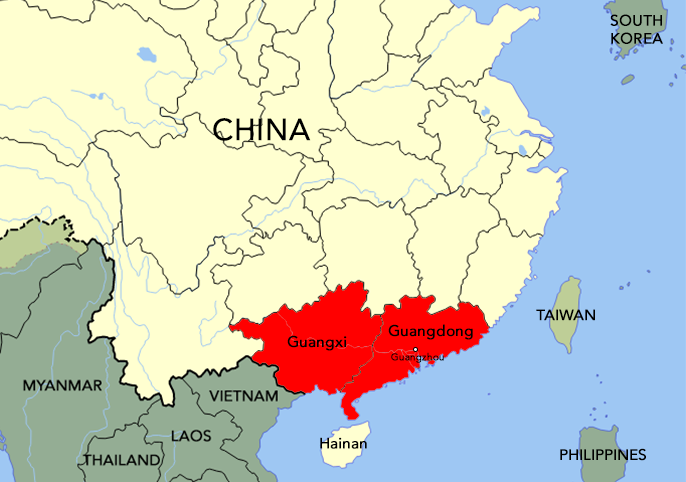
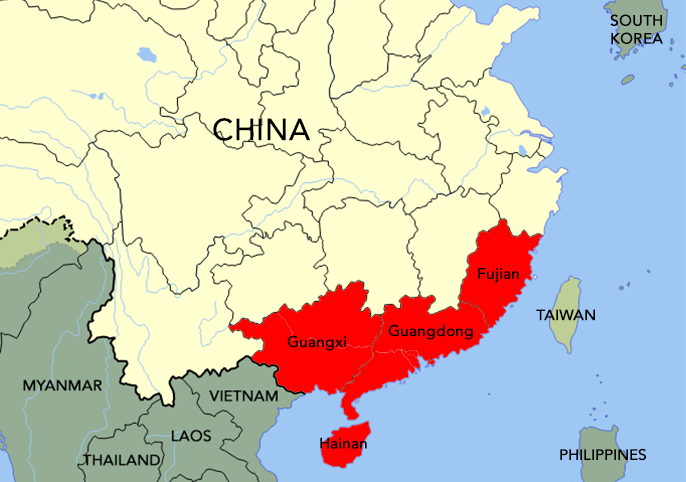
- During the British rule, hundreds of thousands of Chinese people - most of whom are from the Fujian and Guangdong provinces in the south east coast of Mainland China - came to Malaya in the hopes of escaping a life of poverty in China. The Chinese, along with Indian immigrants, filled labour shortages in tin mines, rubber plantations, and railway construction.
Unfortunately, many arrived deeply in debt to the bosses who paid their fares, and remained so when they sought escape from their hardships by smoking opium and gambling. However, those who managed to escape the vicious cycle would go on to set up their own businesses or become traders, hence contributing to the rapid economic growth in developing towns. - Image viaNational Geographic
- The education level and literacy rate among the Chinese population were pretty low at the time, although the wealthier Chinese who lived in town were able to send their children to Christian missionary schools set up by the British. In time, Chinese-medium schools were established for the benefit of the poorer Chinese community.
This wave, considered the largest influx of immigration to Malaysia, brought with it several different Chinese subgroups along with their respective dialects and cultures, such as those of the Hokkien, Cantonese, and Hakka people.
Back then, it's not unusual for people of the same dialect group to stick together, whether it be the locale of their early settlements or their trade of choice, as jobs were filled mainly based on referrals by friends or fellow immigrants from the same province. Outsiders - those who do not belong to the same subgroup or are from another province - are shunned.
- (iii) THIRD WAVE: In the present day, Malaysia is seeing a small but quickly-growing number of Mandarin-speaking immigrants from China, especially those married to Malaysian Chinese as well as rich and middle-class families
- Image viaImgur
- The early 2000s saw an increasing number of Malaysian Chinese men marrying foreign wives from Mainland China and Vietnam.
Later on, in this decade, China's wealthy elites and middle-class families started flocking to Malaysia to escape pollution, food scares, and political constraints in their homeland. In fact, Chinese nationals are the largest group of participants of the 'Malaysia My Second Home' (MM2H) foreign residency scheme.
- Much like their ancestors, Malaysian Chinese people consider their individual ancestral origin to be linked to a particular dialect group
- For example, you might have come across Malaysian Chinese saying that they are "Hokkien lang" or "kwong dong yan", meaning they are of Hokkien or Cantonese descent respectively.
While your ancestry typically signifies your mother tongue i.e. the main dialect spoken in your family, some Malaysian Chinese today are of mixed descent e.g. half Hokkien, half Cantonese, or even consider an entirely different dialect or language their mother tongue.
- While some dialect groups such as the Hokkien, Cantonese, and Hakka seem to have a big presence here, the Chinese community in Malaysia is actually made up of nine subgroups:
1. Hokkien, the largest Chinese subgroup in Malaysia
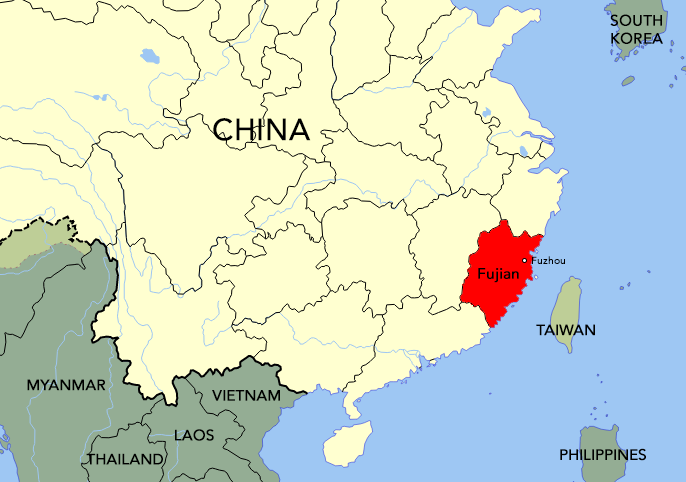
- WHERE THEY CAME FROM: The Hokkiens originated from the southern Fujian (or Min) province in China, particularly the cities of Quanzhou, Amoy (known as Xiamen today), and Zhangzhou.
- Image viaSAYS
- WHERE THEY FIRST SETTLED IN: The Zhangzhou Hokkiens went to the northern parts of the peninsula, particularly in Penang, Kedah, Kelantan, and Terengganu. On the other hand, Quanzhou Hokkiens settled in the south - Melaka and Johor - and some larger towns in Sarawak.
PAST MAIN OCCUPATIONS: Besides dominating the job market in rubber plantations, the Hokkiens were also pioneers in the trading sectors. Most Chinese traders and merchants in the import-export industry as well as wholesale dealers and grocers are of Hokkien descent, hence why the dialect also became the lingua franca of trade in the states they settled in. - Image viaChristopher Teh
- IN PRESENT DAY MALAYSIA: The Hokkien dialect is still the most spoken dialect among the Chinese community, although it is no longer in its pure form.
Hokkien spoken today contains loanwords from the Malay language (especially Penang Hokkien) and may differ according to region. For example, the Hokkien variant spoken in northern states like Penang and Kedah is starkly different from the variants spoken in Klang, Melaka, Johor, and Kuching.
2. Cantonese, the second largest Chinese subgroup in Malaysia
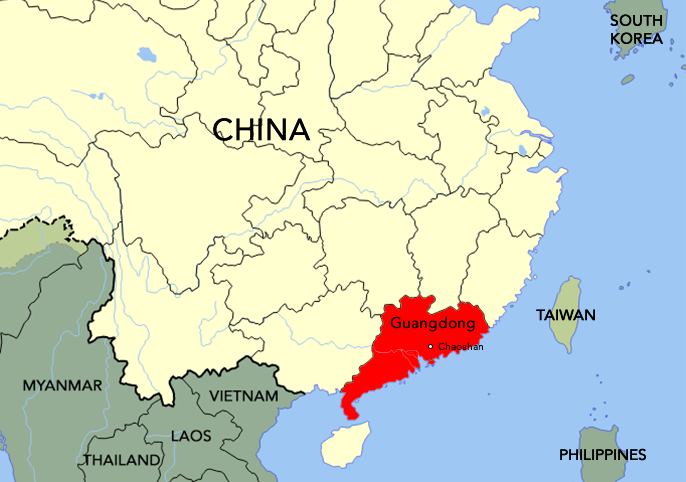
- WHERE THEY CAME FROM: The Cantonese originated from the Guangdong Province in China, particularly from Guangzhou, and Guangxi. The word "Cantonese" is actually romanised; they are typically referred to as "gwong dung yan" in their dialect or "guang dong ren" in Mandarin.
- Image viaSAYS
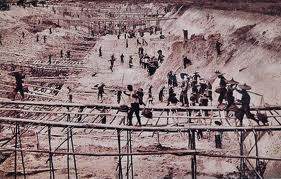
- WHERE THEY FIRST SETTLED IN: The Cantonese were attracted to the booming tin industry, hence setting up communities in developing towns like Kuala Lumpur, Ipoh in Perak, Seremban (formerly known as Sungai Ujong) in Negeri Sembilan, and Sandakan in Sabah.
PAST MAIN OCCUPATIONS: Most Cantonese settlers worked the tin mines and had a hand in the rapid development of their early settlements into principal towns. - Image viaQuora
- IN PRESENT DAY MALAYSIA: The Cantonese are the most urbanised of the Chinese community, with approximately 80% living in principal towns such as Kuala Lumpur, Petaling Jaya, and Ipoh.
The Cantonese dialect is predominantly spoken among the Chinese in the central region, particularly in Klang Valley (e.g. KL, PJ, and Subang Jaya), Seremban, Kuantan in Pahang, as well as Ipoh and Kampar in Perak. There are also communities of Cantonese-speaking Chinese in Sandakan, Sabah and Mersing, Johor.
3. Hakka, the third largest Chinese dialect group in Malaysia
- WHERE THEY CAME FROM: Originally from northern China, the Hakkas migrated to the southeastern provinces of China such as Guangdong, Fujian, Guangxi, and Hainan before coming to Malaysia.
- Image viaSAYS
- WHERE THEY FIRST SETTLED IN: Early Hakka settlers flocked to the gold and tin mines in Selangor, Perak (particularly Taiping and Ipoh), Negeri Sembilan, as well as Sabah and Sarawak. Later on, as the mining industry went into an economic decline, they turned to rubber plantations in Kedah and Johor (particularly Kulai and Kluang).
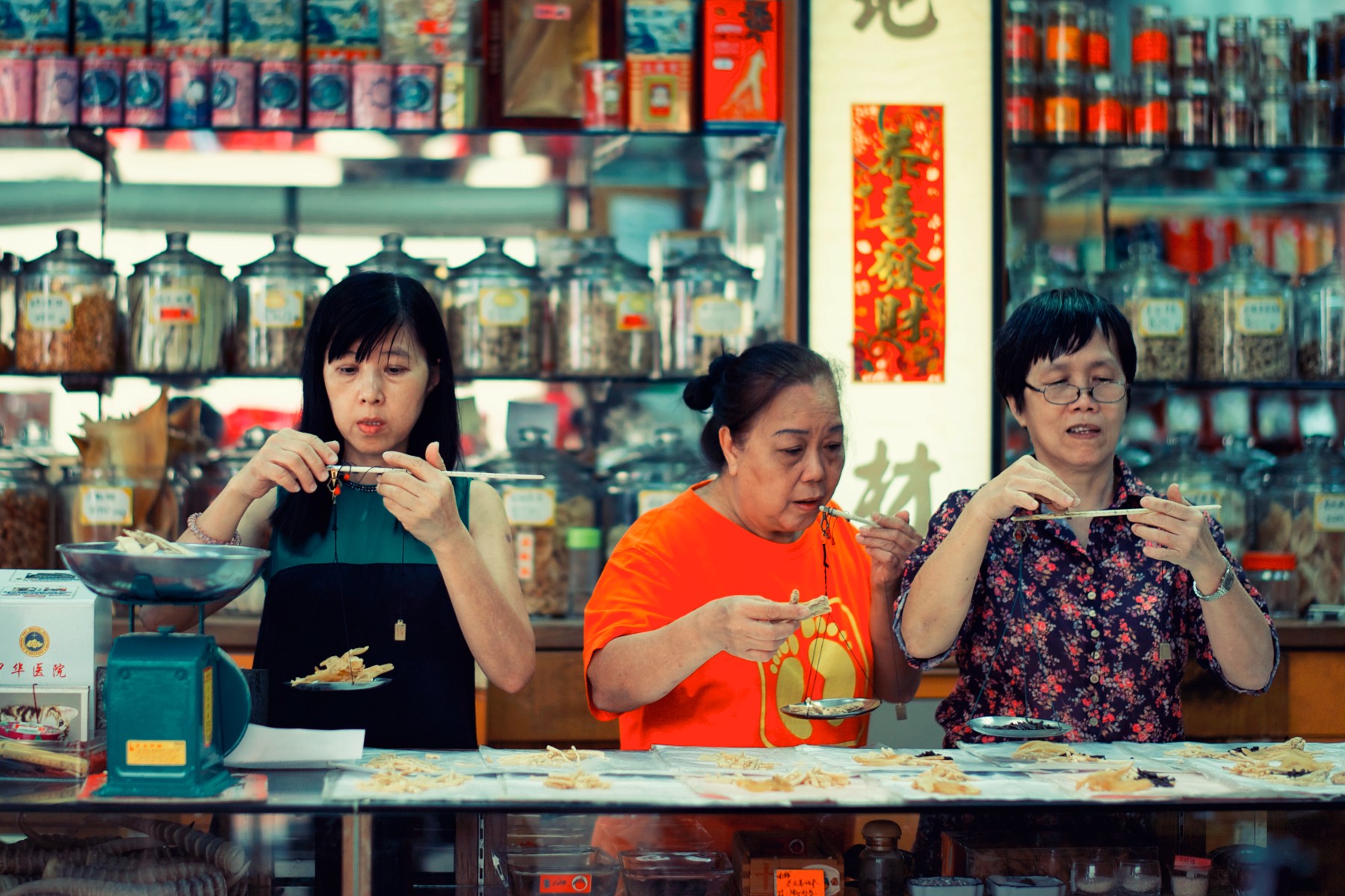
PAST MAIN OCCUPATIONS: The Hakka people worked as gold-miners and tin-miners, while those who settled in Sabah turned to agriculture and became cash crop farmers (farmers growing produce to be sold for profit). Some also became owners of Chinese medicine shops and tailors. - Image viaJon Siegel
- IN PRESENT MALAYSIA: While the Hakka dialect is facing a decline among the younger generations, it is still widely spoken in Sabah, where most of the Chinese community are of Hakka descent. The dialect is also spoken in less urban areas in Kedah, Perak, Pahang, and Negeri Sembilan.
4. Teochew
- WHERE THEY CAME FROM: The Teochew people came from the Chaoshan region in east Guangdong, particularly from the city of Shantou.
- Image viaSAYS
- WHERE THEY FIRST SETTLED IN: They have already begun migrating to the Malay Peninsula since the 18th century, settling in Province Wellesley (now known as Seberang Perai) in Penang and around Kuala Muda in Kedah. Later in the 19th century, Teochews arrived in Johor, establishing new towns populated by plantation workers.
PAST MAIN OCCUPATIONS: The Teochew people have been chiefly credited for setting up pepper and gambier (a plant used as a tanning or dyeing agent, food additives, and herbal medicine) plantations in Malaysia, although those who settled in Kedah and north Perak also worked as fishermen. - Image viaWikimedia Commons
- IN PRESENT DAY MALAYSIA: Teochews make up a substantial part of Chinese communities in Johor Bahru and some principal towns along the coast of Western Johor such as Pontian, Muar, and Batu Pahat. Teochew communities are also found in Kedah, north Perak, as well as select hinterlands in Melaka and Selangor, particularly in Sabak Bernam.
Much like Hakka, the Teochew dialect is less-spoken today by the younger generations as most grow up speaking Hokkien or even Mandarin. In fact, up until the '70s, Teochew was the lingua franca among the Chinese in Johor Bahru.
5. Hokchiu and Hokchia, collectively known as Foochow in honour of their shared dialect, which is said to sound like Korean or Japanese
- WHERE THEY CAME FROM: The Hokchiu people originated from the city Fuzhou in Fujian province, hence why they are commonly known as Foochow people (romanised from Fuzhou). The Hokchia people, on the other hand, came from Fuqing, a county within Fuzhou.
- Image viaSAYS
- WHERE THEY FIRST SETTLED IN: The Foochow were considered latecomers to Malaya, only emigrating here in the early 20th century. The first Foochow immigrants set up settlements in Sitiawan, Perak and Sibu, Sarawak.
PAST MAIN OCCUPATIONS: While most worked as fishermen in their homeland, the Foochows were brought here to grow rice and later, to establish rubber plantations in their respective settlements. - Image viaLiew-Ann Phang
- IN PRESENT DAY MALAYSIA: The Chinese community in Sarawak are predominantly descended from the Foochows, specifically in areas around the Rajang River and Sibu. In the peninsula, they also maintain a presence in Sitiawan in Perak, Yong Peng in Johor, and Sepang in Selangor.
6. Hainanese
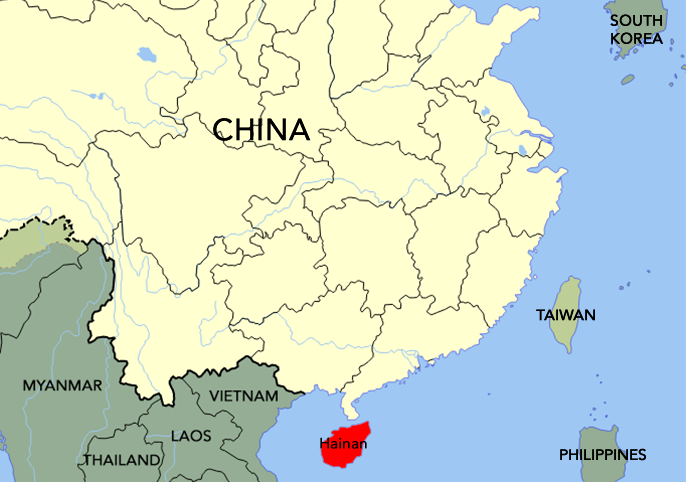
- WHERE THEY CAME FROM: The Hainanese people hail from the Chinese island of Hainan off the coast of Guangdong.
- Image viaSAYS
- WHERE THEY FIRST SETTLED IN: Early Hainanese migrants settled in the Straits Settlements (Melaka, Penang, and Singapore) and North Borneo from the 19th century onwards.
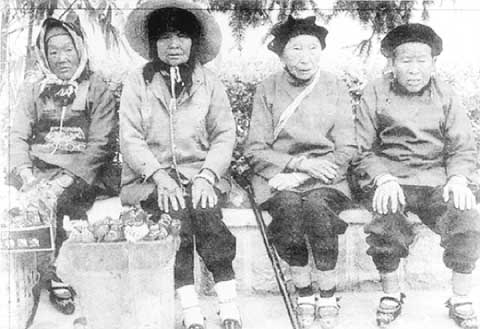
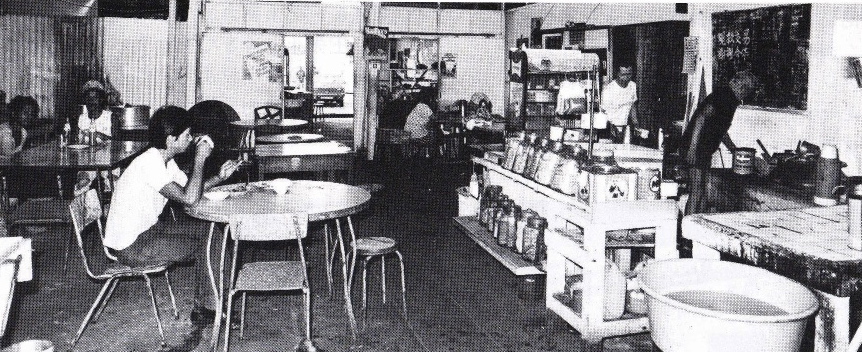
PAST MAIN OCCUPATIONS: Upon their arrival, the more lucrative trades and economic niches had been filled by early immigrants, so the Hainanese had to look for job opportunities elsewhere. Some served as cooks for wealthy Straits Chinese families, although the traditional occupation identification of the Hainanese people are coffee shop owners. - Image viaGastronaut Diary
- IN PRESENT DAY MALAYSIA: Hainanese-speaking Chinese are more concentrated in the states of Selangor and Melaka, although they also form the largest language group in Kemaman, Terengganu and maintain a considerable presences in Penang, Johor Bahru, as well as Sabah and Sarawak.
While the Hainanese dialect spoken in Malaysia is similar to that spoken in Hainan Island, it has been peppered with loanwords from local languages and dialects.
7. Henghua, also referred to as Puxian, the dialect they speak
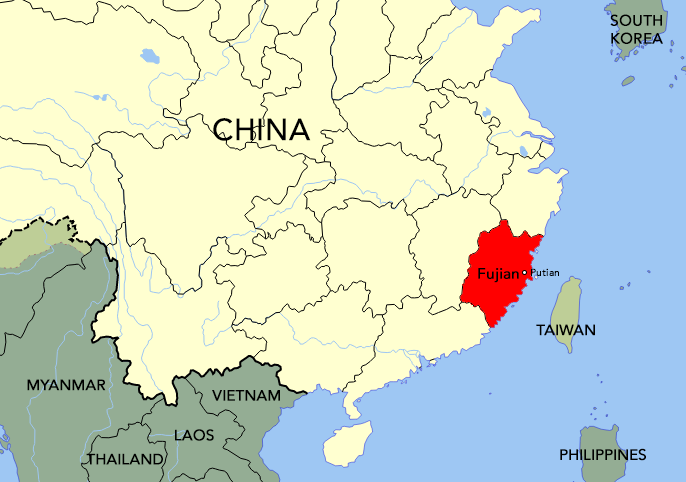
- WHERE THEY CAME FROM: Originally from Henan, the Henghua people migrated to Putian, part of the Fujian province after the civil war before coming to Malaysia.
- Image viaSAYS
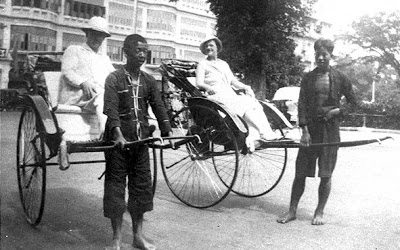
- PAST MAIN OCCUPATIONS: As most occupations were already monopolised by other dialect groups by the time the Henghuas came along, they turned to the transport trade, particularly dominating the rickshaw industry as rickshaw pullers and coolies.
They would later progress to trishaw and bicycle services, as well as becoming bus and taxi drivers. The Henghua people are also involved in the motorcycle and automobile spare parts industry, some becoming mechanics. - Image viaBlog To Express
8. Wu and Mandarin, collectively known as San Jiang
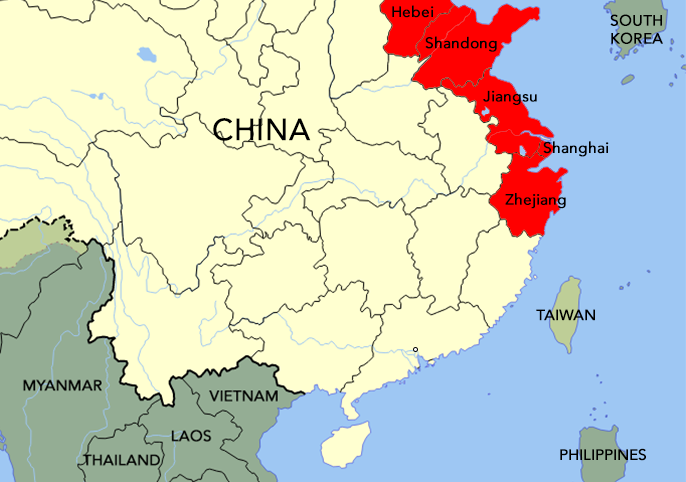
- WHERE THEY CAME FROM: The Wu people came from Zhejiang, Jiangsu, and Shanghai, whereas the Mandarin people originated from Hebei (south of Beijing) and Shandong. Together, they are referred to as the San Jiang people after the northernmost rivers of China (Yangtze River, Yellow River, and Amur River).
- Image viaSAYS
- IN PRESENT DAY MALAYSIA: There is a small community of Mandarin people in Sabah and possibly in Penang, evidenced by the Penang San Kiang Association established since 1897.
9. Kwongsai
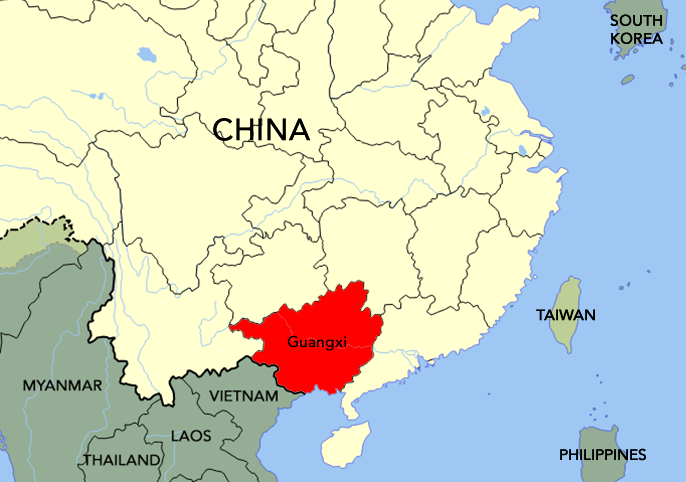
- WHERE THEY CAME FROM: Originating from Guangxi, the Kwongsai people came to Malaya in very small numbers. They speak the Pinghua dialect.
- Image viaSAYS
- IN PRESENT DAY MALAYSIA: Most of Kwongsai people settled in Pahang, mainly Bentong, Mentakab, and Raub where the communities remained in 'til today.
- Now that you know a little bit more about your ancestral origin(s), we hope that piqued your curiosity enough to discover your roots as well as your family's history!
- It can be pretty fascinating to find out how your ancestors cemented their place in this country you now call home. Who knows, you might even be descended from noble blood. ;)
- Dialects play a huge part in Chinese culture and their identity. However, a small faction of Malaysian Chinese consider English to be their mother tongue called 'bananas'... and boy, do they get a lot of flack




_BHL40563162.jpg)
